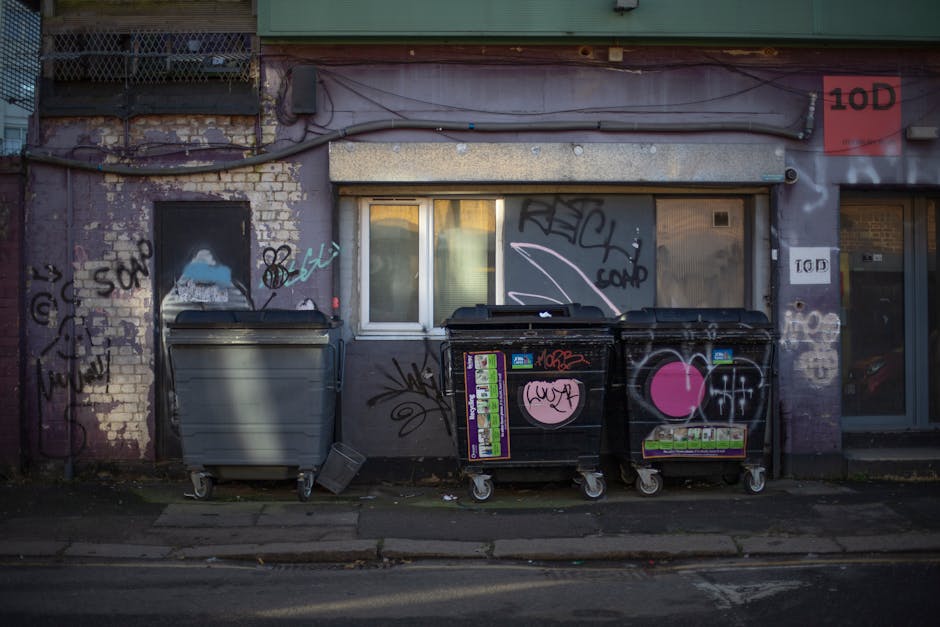
Blocked access rubbish collection solutions for Feltham flats
If you live in a flat in Feltham, you already know the small frustrations can become big ones fast. A lift goes out. A narrow stairwell makes bulky bags awkward. A gated courtyard blocks the truck. Suddenly, what looked like a simple rubbish collection turns into a logistics problem. That is exactly where blocked access rubbish collection solutions for Feltham flats make a real difference.
This guide explains what blocked-access collections are, how they work in practice, who they suit, and how to choose the right approach for your building. We will also cover common mistakes, useful best practices, and the kind of detail that saves time, money, and a fair bit of stress. Truth be told, it is often less about the rubbish itself and more about getting it out safely without upsetting neighbours, managing agents, or the building layout.
Whether you are a tenant, leaseholder, landlord, letting agent, or block manager, the aim is the same: get waste removed cleanly, legally, and with the least disruption possible.
Table of Contents
- Why blocked access rubbish collection matters
- How blocked access rubbish collection works
- Key benefits and practical advantages
- Who this is for and when it makes sense
- Step-by-step guidance
- Expert tips for better results
- Common mistakes to avoid
- Tools, resources and recommendations
- Law, compliance, standards, or best practice
- Options, methods, or comparison table
- Case study or real-world example
- Practical checklist
- Conclusion
- Frequently asked questions
Why Blocked access rubbish collection solutions for Feltham flats Matters
Blocked access is one of those issues that sounds minor until you are standing in a hallway with two black bags, a wardrobe panel, and nowhere obvious to put them. In flats, access problems are common: tight staircases, shared entrances, coded gates, parked cars, low bridges, limited loading space, and awkward bin stores all get in the way.
For Feltham flats in particular, the challenge is often not just distance. It is the mix of older residential layouts, newer apartment blocks, and busy local streets where parking and access can be tight at the best of times. That means waste has to be collected with planning, not guesswork. If you get it wrong, you can end up with missed removals, complaints from neighbours, damage to communal areas, or waste sitting around longer than it should.
It matters for hygiene, first and foremost. Overflowing rubbish attracts smells and pests, especially in warmer weather. But it also matters for building safety and day-to-day living. Shared corridors are not storage spaces, however temporary it feels at 7:30 in the morning when you are late for work. Waste left in a hallway becomes a trip hazard very quickly.
There is also the reputation piece. If you manage a block, tenants notice whether rubbish is handled neatly. If you are a landlord, that affects relationships and sometimes even void periods. And if you are a resident, the last thing you want is a collection day that turns into a mini stand-off with the building door. Not ideal.
Expert takeaway: The best blocked-access collection is not just "someone who can lift bags." It is a coordinated approach that matches the building layout, the waste type, and the reality of the site on the day.
How Blocked access rubbish collection solutions for Feltham flats Works
In simple terms, blocked access rubbish collection solutions for Feltham flats are designed to remove waste when a standard front-door pickup is not practical. The service is planned around how the property actually works: entrances, stairs, lifts, bins, gates, residents, parking, and the time window available.
Most jobs start with an access assessment. That may happen over the phone, by photo, or during a quick visit. A good operator will want to know things like:
- Is there lift access, and does it work?
- How many floors are involved?
- Can a vehicle stop close enough to load safely?
- Is the item bulky, heavy, or awkwardly shaped?
- Are there restrictions on collection times?
- Does the building management need notice?
Once the access route is clear, the collection team can plan the crew size, vehicle type, protective equipment, and moving method. For example, a single sofa from a ground-floor flat near a service road is a very different job from a full flat clearance on the fourth floor with no lift and only a narrow stairwell. One is a quick lift-and-load. The other needs patience, care, and a bit of route planning.
There is also a difference between a collection that is blocked at the door and one that is blocked by internal access. If the issue is outside access only, the team may need to bring waste out in smaller loads or use a hand truck. If the issue is internal, they may need extra protection for walls and floors, especially in communal areas where marks are easy to make and hard to explain later.
In practice, the process usually follows a pattern:
- Identify the waste and the access problem.
- Confirm whether items can be carried safely through the building.
- Plan a suitable time and vehicle position.
- Remove items carefully, protecting shared areas where needed.
- Sort recyclable and non-recyclable waste appropriately.
- Finish with a clear area and a quick final check.
If the access issue is severe, a broader solution may be needed. That could mean partial dismantling of furniture, staged removal over more than one trip, or combining the job with another clearance service such as flat clearance or furniture clearance. The right answer depends on the building, not a template. And that is where decent operators earn their keep.
Key Benefits and Practical Advantages
The obvious benefit is that the rubbish gets removed. But the real value goes a bit deeper than that.
- Less disruption for residents: A planned blocked-access collection reduces corridor traffic, noise, and awkward moments in shared spaces.
- Safer handling: Heavy or awkward items can be moved with the right technique rather than improvised lifting that risks injury or damage.
- Better timing: Collections can often be scheduled around access windows, concierge availability, or building rules.
- Cleaner communal areas: Careful removal protects carpets, walls, lifts, and door frames from knocks and scuffs.
- More flexibility: Solutions can be adapted for bulky waste, mixed rubbish, old furniture, appliances, or full flat contents.
- Reduced complaints: A smoother process means fewer issues from neighbours, management companies, or residents on the day.
There is a practical financial angle too. Poor access usually increases time on site, and that can raise the cost if the job is not described properly from the start. Clear planning helps avoid unnecessary call-backs or surprise delays. If you are comparing options, the most affordable quote is not always the cheapest in reality. Sometimes the low quote is just the one that has not accounted for the staircase, the parking, or the locked gate waiting to cause trouble.
Another overlooked advantage is confidence. Knowing the collection is managed properly can be a relief when the bin store is already overfull or you are trying to clear a flat before a move-out deadline. It takes one big worry off your list. Which, let's face it, is worth quite a lot on a busy week.
Who This Is For and When It Makes Sense
Blocked access rubbish collection solutions for Feltham flats are useful for a surprisingly wide group of people. You do not need a major clearance project to need this sort of service.
- Tenants with bulky items that will not fit through tight stairs or narrow front paths.
- Leaseholders clearing old furniture, broken appliances, or mixed household waste.
- Landlords dealing with end-of-tenancy rubbish left behind in a flat.
- Letting agents who need fast turnaround between tenancies.
- Block managers handling communal waste issues or fly-tipped items near access routes.
- Families sorting out a probate or downsizing move in a flat with awkward access.
It makes sense whenever standard collection methods fail or become too disruptive. A few common triggers are:
- the lift is broken or too small for large items;
- the staircase is too narrow for bulky waste;
- parking restrictions prevent normal loading;
- the building has security doors or entry codes;
- the bin store is full and waste needs moving out in a controlled way;
- the waste is mixed and needs sorting or careful handling;
- the job needs to happen quickly, such as before an inspection or handover.
A realistic example? A one-bedroom flat with a sofa, mattress, wardrobe carcass, and several bags of mixed rubbish sounds simple. Add a fifth-floor walk-up, a shared entrance that needs a key fob, and a narrow road outside with double yellow lines. Now it is not so simple. That is the exact kind of scenario where blocked-access planning matters.
If you are unsure whether the issue is "too difficult" for a collection, it usually helps to describe the route from the flat to the vehicle, not just the items themselves. That little detail makes a bigger difference than most people expect.
Step-by-Step Guidance
If you want the smoothest result, it helps to think of the collection in stages. Rushing straight to the removal itself is where problems begin.
1. Walk through the access route
Start from the item and work backwards. Can it pass through the flat door? Through the hallway? Down the stairs? Out of the building? Into the vehicle? If any step looks tight, mention it early. This is the bit people often skip, and then everyone ends up moving sideways like a parcel in a crowd.
2. Separate the waste by type
Group bulky furniture, bagged rubbish, electrical items, and anything potentially hazardous. The clearer the mix, the easier it is to plan. A sensible split might be: bags, furniture, appliances, and "needs special handling".
3. Check building rules
Some blocks need notice before any collection. Others have loading restrictions, concierge sign-in, or quiet hours. If the building manager or housing officer needs to know, tell them in advance. It is a small step that prevents a big headache.
4. Confirm parking and loading arrangements
Think about where the vehicle can stop without blocking traffic, garage access, or resident spaces. In busy parts of Feltham, this can matter a lot. A two-minute loading stop can become much longer if no one has planned it properly.
5. Protect shared spaces
For flats, especially those with carpets or painted walls, protection matters. Good practice may include using covers, careful lifting, and taking larger items apart if needed. The goal is not just to remove waste, but to leave the building looking untouched.
6. Build in time for the unexpected
Loose screws, stuck doors, awkward corners, or a stairwell that is narrower than you remembered. These things happen. A little buffer in the plan makes the whole job feel calmer. No drama required.
7. Choose the right related service, if needed
Sometimes access issues sit alongside another problem. For instance, if the flat needs a full reset, a wider home clearance may be more practical than removing items one by one. If old white goods are involved, you may need fridge and appliance removal. Choosing the right service early saves rework later.
One last thing: take photos if you can. Not because anyone expects a perfect record, but because a quick image of the access route often explains more than a long phone call ever could.
Expert Tips for Better Results
After enough collections, a few patterns become obvious. The jobs that go well are nearly always the jobs where the access problem is described honestly from the start.
- Measure the awkward bits: Door widths, stair turns, lift size, and low ceilings can make or break the plan.
- Tell the truth about item condition: A broken wardrobe that collapses during moving is a different job from a sturdy one.
- Book during quieter times: Mid-morning or early afternoon can be easier than school run or evening rush periods.
- Keep communal routes clear: If residents are passing through, leave space and avoid blocking the only exit.
- Plan for dismantling: Sometimes removing legs, doors, or panels makes the difference between a clean lift and a struggle.
- Ask about recycling separation: Items sorted properly are easier to process responsibly.
A useful mindset is to treat the job like moving house in reverse. Everything needs to come out without making the building feel like a building site. That sounds obvious, but once a bulky item catches on a bannister, you realise quickly why preparation matters.
If you are a property professional, keep a simple access note for each block: entry instructions, parking notes, lift status, and contact details for the manager or concierge. It is a tiny admin task with an outsized payoff.
And yes, always leave a bit of space for the inevitable oddity. There is nearly always one unexpected item. A broken desk chair. A mystery box. Something that looks light until you lift it and then, well, it is not.
Common Mistakes to Avoid
Most problems with blocked-access collections are preventable. The tricky part is that they often look small until they cost you time on the day.
- Under-describing the access: Saying "easy access" when there is a locked gate and three flights of stairs is not helpful.
- Forgetting about parking: If the vehicle cannot stop legally and safely, the collection may slow right down.
- Mixing waste types carelessly: Special items need extra planning. Do not hide them in a general pile and hope for the best.
- Leaving items in communal areas too long: This can annoy neighbours and create safety issues.
- Not checking building rules: Quiet hours, service entrances, and management permissions matter more than people think.
- Choosing based on price alone: A cheap quote that ignores the access issue can become expensive once delays are added.
One of the biggest mistakes is assuming that every flat clearance is the same. It really is not. A ground-floor flat with a rear service door is one thing. A fourth-floor apartment above a busy parade with no lift is another entirely. If you treat them the same, trouble tends to appear around the first staircase.
Another common slip is waiting until the last minute. If a move-out date, inspection, or refurbishment deadline is looming, the pressure rises and details get missed. A little planning buys you breathing room. Quite a lot, actually.
Tools, Resources and Recommendations
You do not need specialist equipment for every collection, but the right tools make blocked-access work much smoother. In practice, the most useful items are often the simplest ones.
- Measuring tape: Handy for checking doors, stair turns, and lift openings.
- Phone camera: A few clear photos of the route help avoid confusion.
- Trolley or sack barrow: Useful where the route supports safe wheeling.
- Protective covers: Good for floors, corners, and lift interiors where needed.
- Labels or notes: Helpful when sorting bulky items, recycling, or special waste.
- Access checklist: A simple list of gates, codes, parking notes, and contact numbers.
For residents and managers, a sensible starting point is to review related services based on the type of waste. For example, a job that includes old office items may be better handled as office clearance, while mixed residential clutter may fit better with waste removal. If the issue is mainly worn-out chairs, tables, or sofas, then mattress and sofa disposal may also be relevant for specific items.
If the collection is part of a wider property clean-up, it can help to look at the bigger picture rather than the single load in front of you. That is especially true when several bulky items are stacked in a flat and every doorway seems to have an opinion about them.
Law, Compliance, Standards, or Best Practice
When rubbish is being removed from flats, compliance is not just a formal box to tick. It affects safety, responsibility, and what happens to waste after it leaves the building.
In the UK, waste should be handled responsibly and passed on through appropriate channels. If a provider is removing mixed rubbish, bulky items, or appliance waste, best practice is to check that it is managed lawfully and not dumped or handled carelessly. For residents, that means choosing a service that is clear about how waste is collected, transported, and dealt with.
In shared residential buildings, best practice usually includes:
- keeping communal fire exits and corridors clear;
- avoiding obstruction of shared access routes;
- protecting lifts, floors, and walls during removal;
- not leaving waste in common areas overnight unless agreed;
- respecting building rules and quiet hours;
- handling any hazardous or special items separately.
Some items need extra caution. Electrical appliances, sharp materials, heavy glass, and anything potentially hazardous should not be treated like ordinary bagged waste. If you are unsure, it is better to ask first than to guess. That applies to things like fridges, broken fittings, and certain renovation leftovers as well. For slightly more technical or mixed loads, you may also need to check whether the job overlaps with builders waste clearance or hazardous waste disposal.
Insurance and safety are worth considering too. Handling large items through flats creates obvious risks: slips, knocks, strain injuries, and damage to communal property. A professional approach should take that seriously. You do not need drama, just competence. The quiet, careful kind is usually best.
Options, Methods, or Comparison Table
There is more than one way to solve a blocked-access rubbish problem in a flat. The right choice depends on the type of waste, building layout, urgency, and how much disruption you can tolerate.
| Method | Best for | Advantages | Limitations |
|---|---|---|---|
| Manual carry-out | Small to medium loads, limited access routes | Flexible, can work in tight buildings | Slower for heavier or larger items |
| Bulky item dismantling | Sofas, wardrobes, beds, oversized furniture | Makes awkward items fit through narrow areas | Takes extra time and care |
| Staged collection | Large clearances or multiple loads | Reduces congestion and pressure on access points | May need more than one visit |
| Mixed waste clearance | General flat clutter or end-of-tenancy rubbish | Convenient for several waste types at once | Needs clear sorting and planning |
| Specialist item removal | Appliances, mattresses, sofas, awkward single items | Focused handling for specific items | May not suit larger clearances |
For many Feltham flats, the best choice is a blend of methods. For example, a team might dismantle one wardrobe, carry smaller bags by hand, and use a trolley for the rest. That mixed approach often works better than forcing a single method everywhere. Real buildings are messy like that. A one-size-fits-all answer rarely is.
If the flat is part of a larger property portfolio or commercial building, it may make sense to compare a dedicated business waste removal approach with a residential clearance approach. Offices, rental blocks, and mixed-use buildings all create different access challenges, even when they sit on the same street.
Case Study or Real-World Example
Here is a realistic example from the kind of job people often underestimate.
A tenant in a Feltham apartment needed to clear a three-seat sofa, a broken bed frame, several bin bags, and an old TV before moving out. The flat was on the third floor, the lift was out of service that week, and the building had a narrow entrance with a keypad door. At first glance, it looked awkward but manageable. In reality, the sofa would not turn cleanly on the landing, and the bed frame needed partial dismantling before it could be moved safely.
The solution was simple enough, but only because the access issue was understood early. The team planned for extra time, brought tools for dismantling, and protected the route through the communal hallway. Smaller bags were carried out first to clear space. The sofa was moved in sections, not forced. The TV and loose waste followed once the route was free.
The result? No damage to walls, no blocked corridor, no irritated neighbours hovering by the lift landing, and no last-minute panic when the moving van arrived. It was not dramatic. Which, in this line of work, is usually exactly what you want.
A similar job with poor planning would have gone very differently. One forgotten detail, like the lift being out, can change the whole shape of a collection. That is why blocked access planning is not an extra. It is the job.
Practical Checklist
Use this quick checklist before booking or confirming a collection for a flat with access problems:
- Have you described the exact flat level and building layout?
- Do you know whether the lift works and whether it fits bulky items?
- Have you checked stair width, turns, and any awkward corners?
- Is parking or loading space available near the entrance?
- Have you told the provider about gates, codes, or concierge access?
- Are the items split into furniture, bags, appliances, and special waste?
- Do you need any items dismantled before removal?
- Have you checked building rules, notices, or quiet-hour restrictions?
- Have you decided whether the job is a single collection or staged clearance?
- Have you asked how recycling and disposal will be handled?
If you can tick most of those off, you are in good shape. If not, do not worry. A short conversation and a couple of photos usually sort out the missing pieces.
Get a free quote today and see how much you can save.
Conclusion
Blocked access rubbish collection solutions for Feltham flats are really about turning a difficult layout into a workable plan. Once you understand the route, the waste type, and the building rules, the whole process becomes much easier to manage.
The best results come from honest descriptions, sensible timing, and a collection method that fits the property rather than fighting it. That is true whether you are clearing a single bulky item, handling end-of-tenancy rubbish, or organising a fuller flat clearance. Do that well, and the job feels simple. Not always easy, but simple enough.
If you are dealing with a tight stairwell, a broken lift, or an awkward communal entrance, take a breath and plan it properly. A careful collection saves time, avoids conflict, and leaves everyone a bit calmer. And that counts for a lot.
In a busy place like Feltham, where flats often mean shared space and limited room to manoeuvre, the quiet, well-organised solution is usually the best one. Small detail. Big difference.
Frequently Asked Questions
What counts as blocked access for rubbish collection in a flat?
Blocked access usually means the waste cannot be removed through the normal route without extra planning. That might be a broken lift, narrow stairs, locked gates, limited parking, or a route that is unsafe for bulky items.
Can bulky rubbish be collected from upper-floor flats?
Yes, in many cases it can. The key is planning. If the item fits through the route or can be dismantled safely, an upper-floor collection is often possible. The exact approach depends on the building layout and the size of the item.
Do I need to dismantle furniture before collection?
Not always, but it often helps. Wardrobes, beds, and large sofas may need to come apart to fit through stairwells and doors. If you are unsure, ask in advance rather than trying to force the item through.
How do I prepare a flat for blocked access rubbish removal?
Clear a path, separate the items, check parking, and make sure access codes or keys are available. If possible, take photos of the route so the collection team knows what to expect. Small prep, big payoff.
Is blocked access rubbish collection more expensive?
It can be, because it often takes more time and labour. But the exact cost depends on the waste type, the number of floors, the difficulty of access, and whether items need dismantling. A clear description usually helps keep pricing more accurate.
What should I tell the collection team before booking?
Tell them the flat number, floor level, lift status, parking situation, gate or entry details, item sizes, and whether there are any building restrictions. The more precise you are, the easier it is to plan properly.
Can waste be collected if the lift is out of service?
Often yes, but it depends on the items and the stairs. If the lift is out, the collection may need extra labour, more time, or a different handling method. That is exactly where blocked-access planning matters.
What happens if communal areas are narrow or shared?
The team should take care to protect walls, floors, and door frames, and to avoid blocking shared routes for too long. In some cases, the collection may need to be staged so residents can still move around safely.
Can mixed household rubbish and furniture be removed together?
Usually yes. Mixed collections are common in flats, especially during moves or clear-outs. It helps if the items are sorted into general waste, furniture, and any special items so the job can be handled efficiently.
What if my building management needs notice first?
Then give it to them. Some buildings require prior notice, access booking, or sign-in procedures. It is best to check early, because a collection can only go smoothly if everyone knows what is happening on the day.
Are appliances like fridges or washing machines handled differently?
Yes, they usually are. White goods may need specific handling because of their size, weight, and components. If appliances are involved, mention them separately so the collection can be planned correctly.
How quickly can a blocked access collection happen?
That depends on the provider, the amount of waste, and how difficult the access is. Simple jobs can often be arranged quickly, while more complex flat collections may need a bit more notice. The clearer the details, the faster the arrangement tends to go.